
Why Phenol-Free Paper Matters for POS Printing
Receipt paper is a staple in every point-of-sale environment, from retail stores and restaurants to pharmacies and banks. But as states roll out new chemical safety regulations, the type of paper you use is becoming more important than ever. Many businesses are now switching to phenol-free thermal paper, a safer and more sustainable alternative to traditional bisphenol-based paper. Here’s why this change matters and what it means for your business.
What Is Phenol-Free Paper?
Thermal printers don’t use ink. Instead, they rely on a special coating on the paper that reacts to heat to form printed text and images. Historically, this coating included bisphenols such as BPA (Bisphenol A) or BPS (Bisphenol S), chemicals in the phenol family that can cause hormone disruption and other health concerns. Phenol-free paper eliminates all phenol compounds from the coating. Instead, it uses safer developers, often vitamin C-based or urea-based, that deliver the same crisp, high-contrast print quality without the toxic risks. The print results look identical, but the chemistry behind them is far safer for employees, customers, and the environment.
$10 Off Sale on Receipt Paper!
Save $10 on select phenol-free receipt paper when you use the coupon below. Offer valid through November 30th.
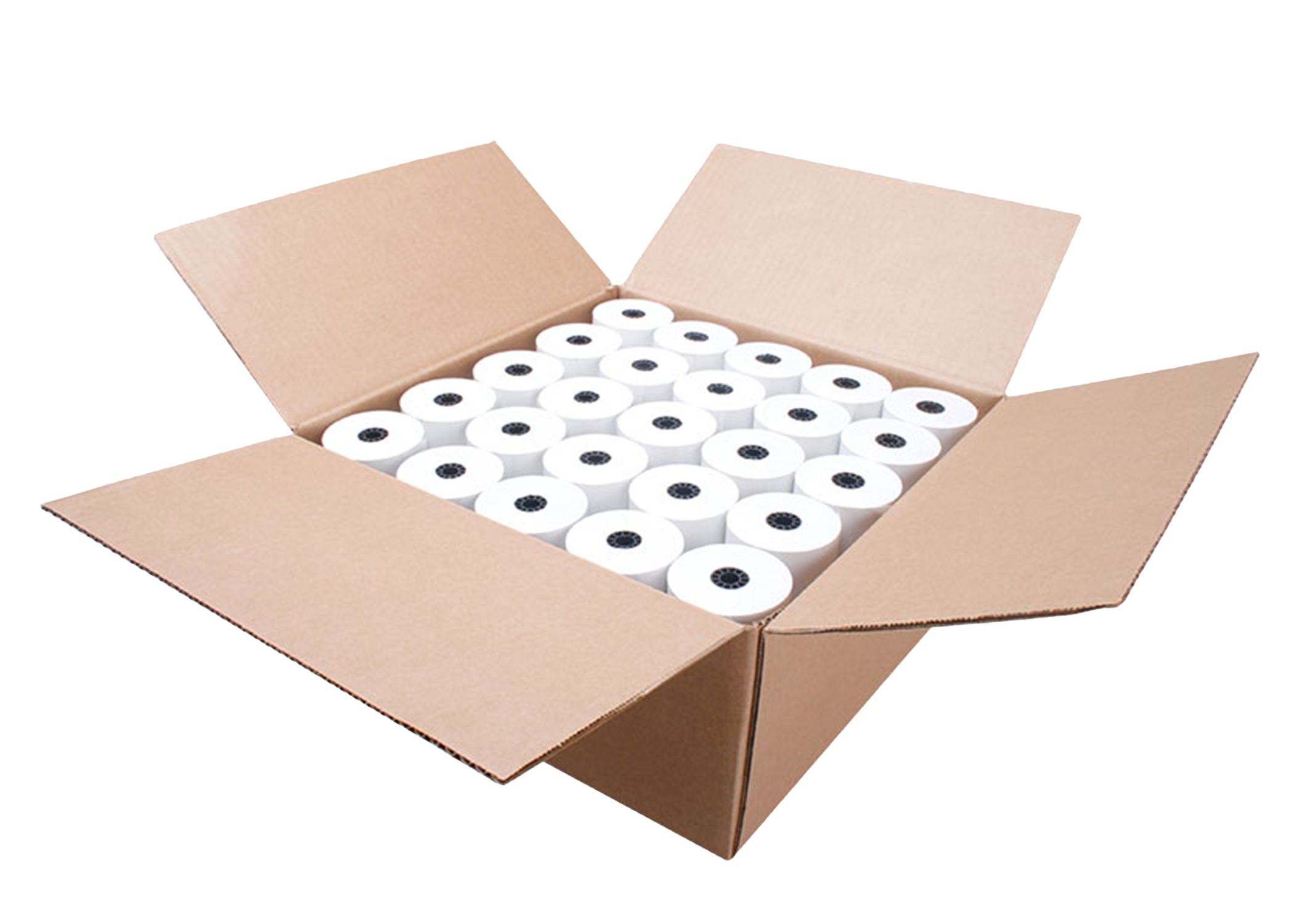
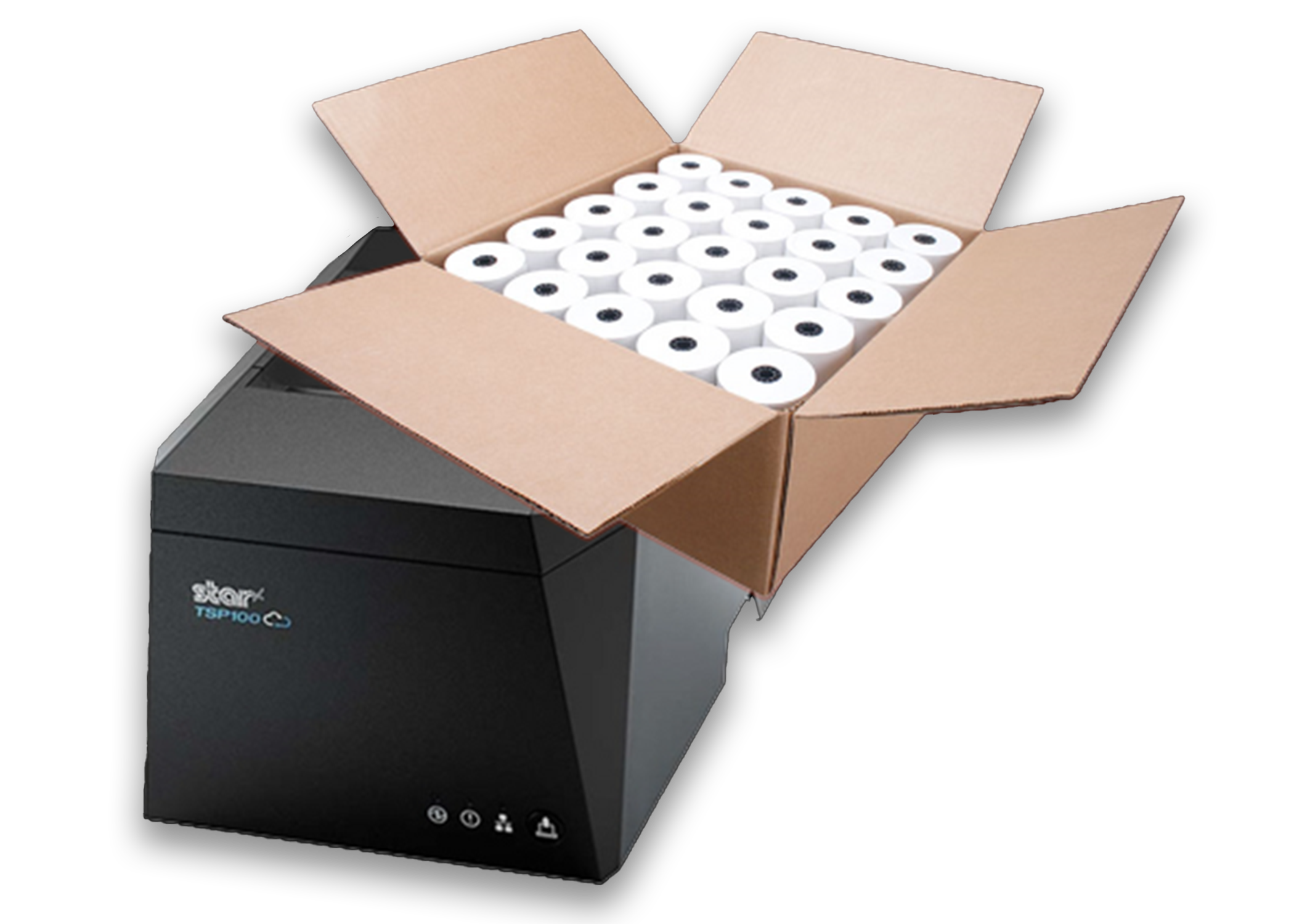
Phenol-Free Thermal Receipt Paper
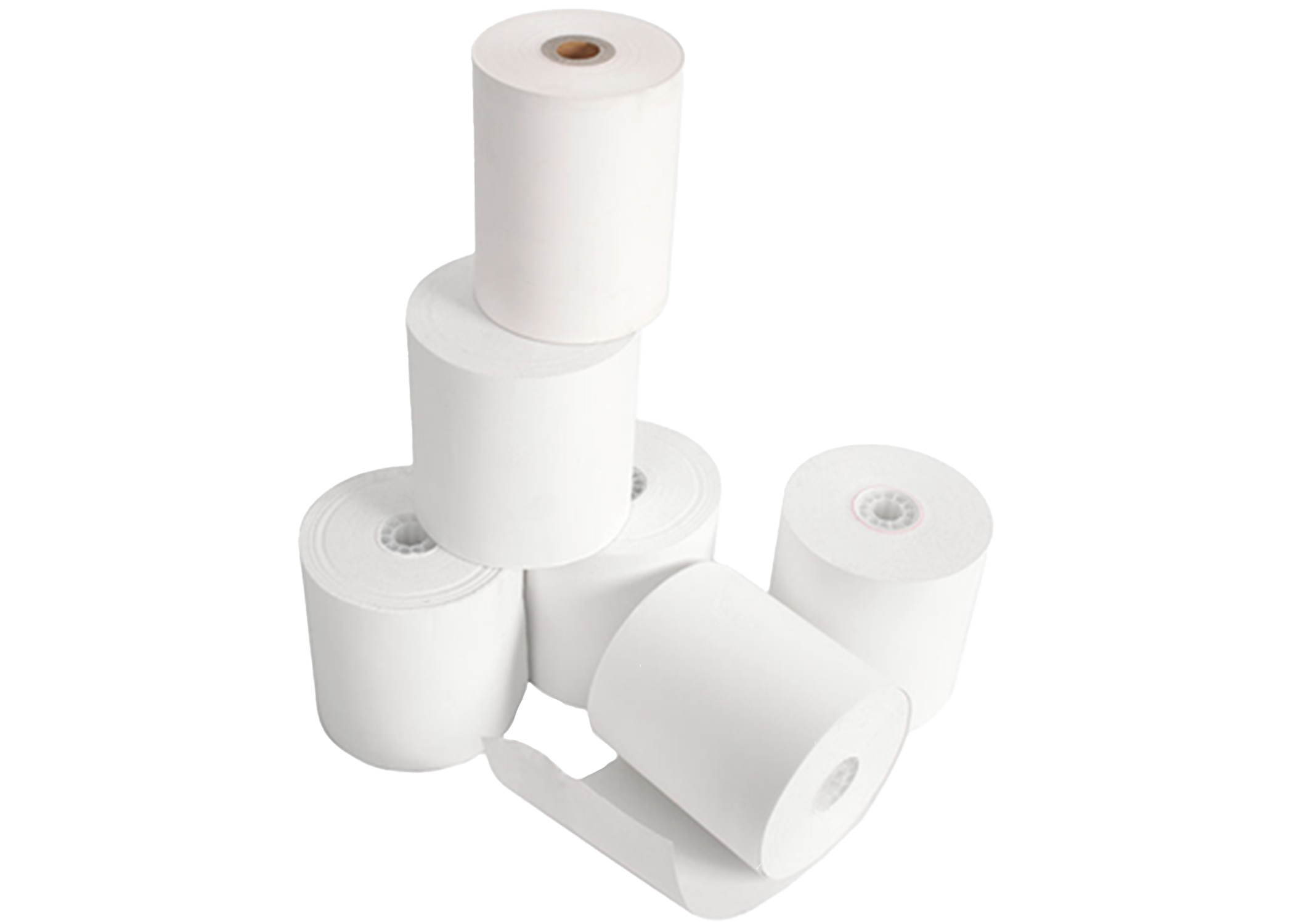
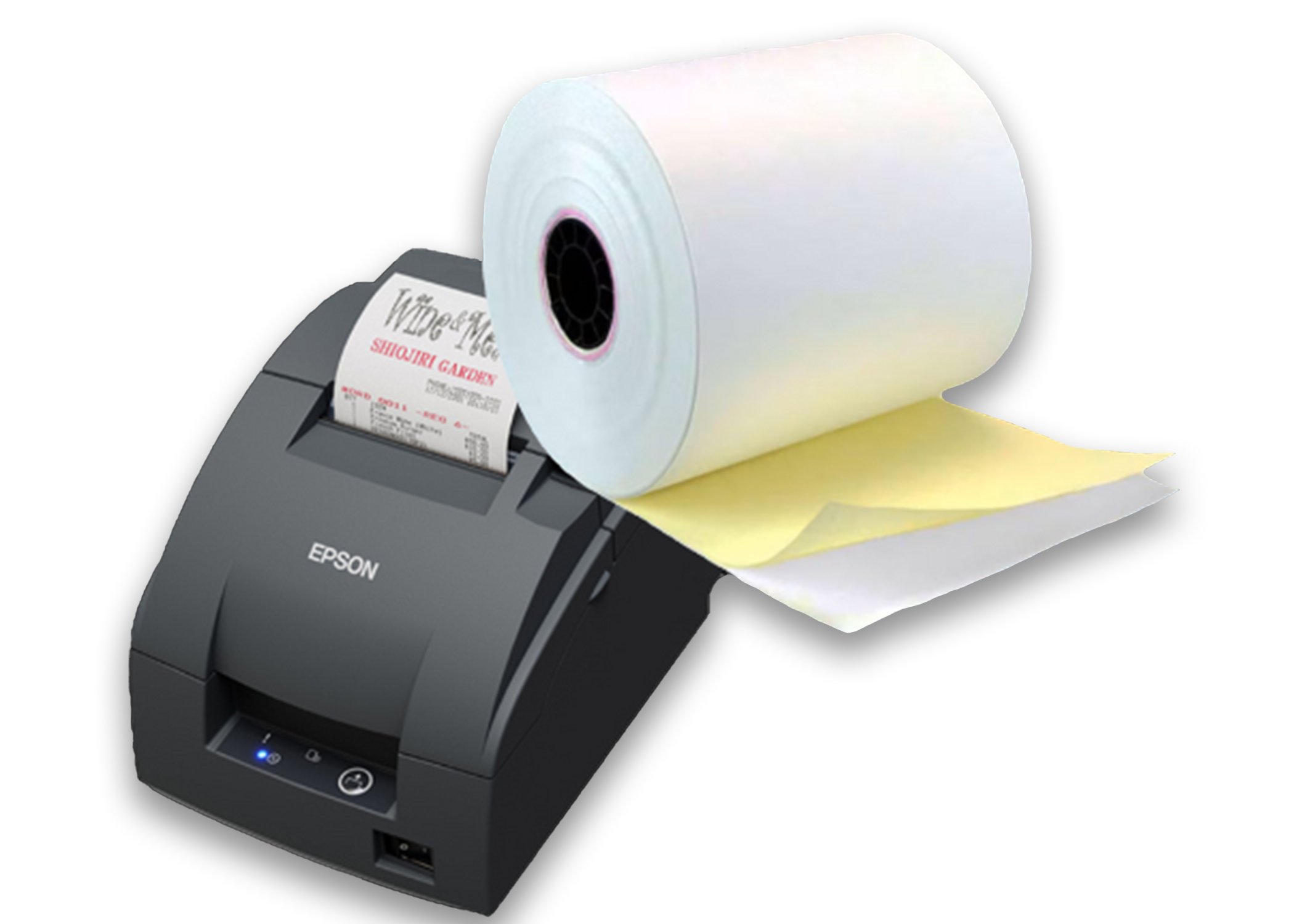
Standard Thermal Receipt Paper
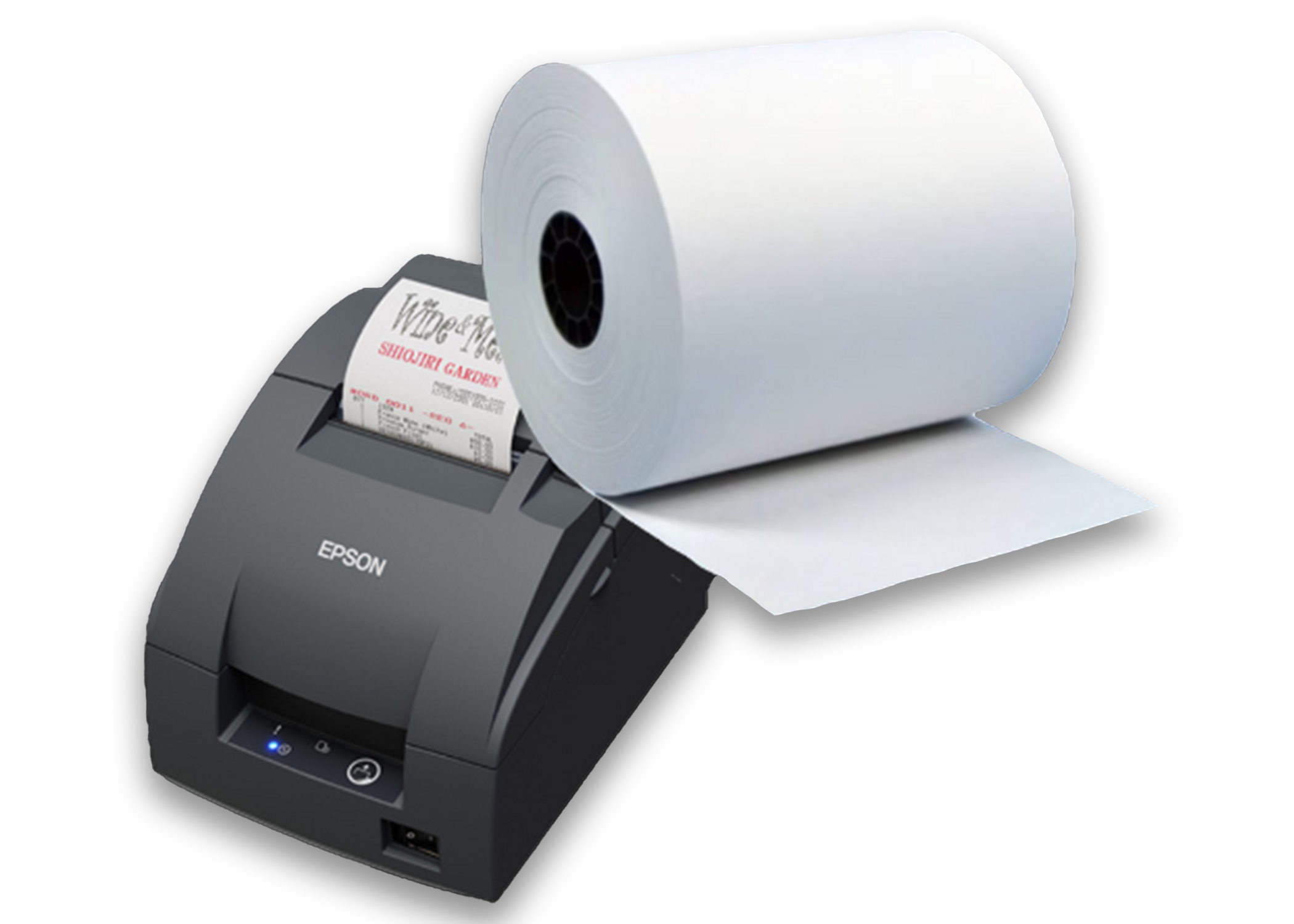
Why Phenol-Free Paper Is Important
When a cashier or customer handles a receipt printed on BPA- or BPS-based paper, small amounts of those chemicals can be absorbed through the skin. Over time, that exposure adds up. Phenol-free paper removes the entire chemical group responsible for those concerns. For businesses, this means:
- A healthier environment for employees and guests
- Smoother compliance with emerging chemical safety laws
- Sustainability gains that align with corporate responsibility goals
New State Laws Are Phasing Out Phenol-Based Thermal Paper
Across the U.S., regulators are taking notice. States like California, Washington, Vermont, New York, Connecticut, and Minnesota have passed or proposed laws banning or restricting BPA and BPS in thermal receipt paper. Fines for non-compliance can reach thousands of dollars per violation, and supply chain shortages are expected as manufacturers shift to safer coatings. Moving to phenol-free paper now ensures your business stays compliant and avoids last-minute disruptions.
What Is Proposition 65?
In California, Proposition 65 (the Safe Drinking Water and Toxic Enforcement Act) requires businesses to warn consumers about exposure to harmful chemicals. BPA and BPS are on that list. Using thermal paper that contains these substances can expose your business to legal penalties, warning label requirements, and reputational damage. Switching to phenol-free, BPA-free, and BPS-free paper ensures Prop 65 compliance and long-term peace of mind.
What to Look For in Phenol-Free Thermal Paper
- Verified phenol-free, BPA-free, and BPS-free formulation
- Prop 65 compliance
- Fade-resistant, high-contrast printing
- Eco-friendly manufacturing and packaging
- Compatibility with existing POS thermal printers
Why Now Is the Time to Switch
- Avoid potential fines and shortages
- Simplify purchasing across locations
- Demonstrate leadership in health and sustainability
- Build trust with eco-conscious customers